
About the ScriptNest Approach
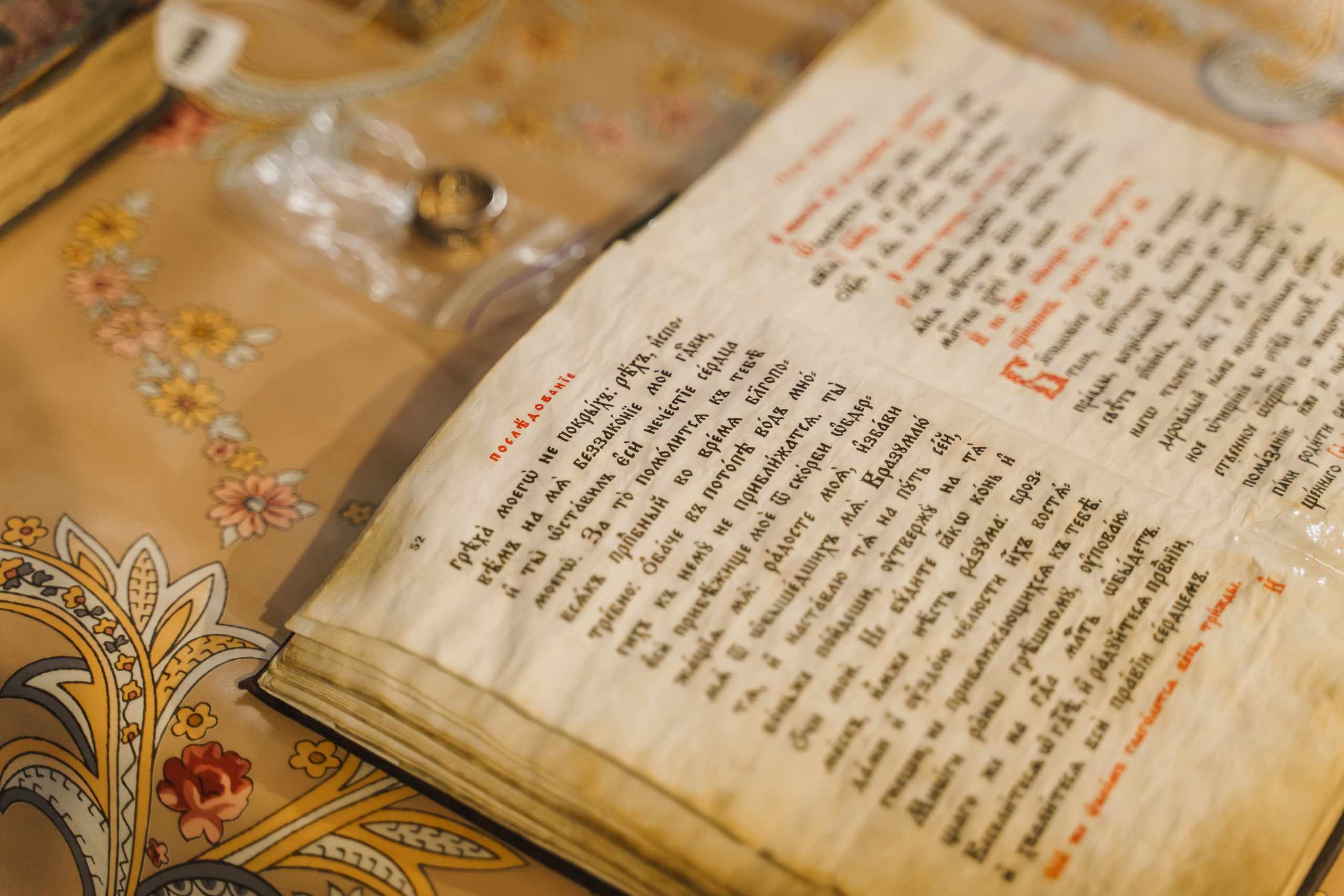
Historical handwriting is approached through observation, comparison, and careful transcription rather than quick guesses based on modern letter shapes.
A Method Built Around Visible Evidence
Practice begins with the manuscript page itself: line structure, repeated strokes, ascenders, descenders, spacing, and familiar word patterns. Learners build a reference alphabet from one scribal hand, transcribe what is visible, and mark doubtful readings instead of hiding uncertainty.
LETTERFORMS
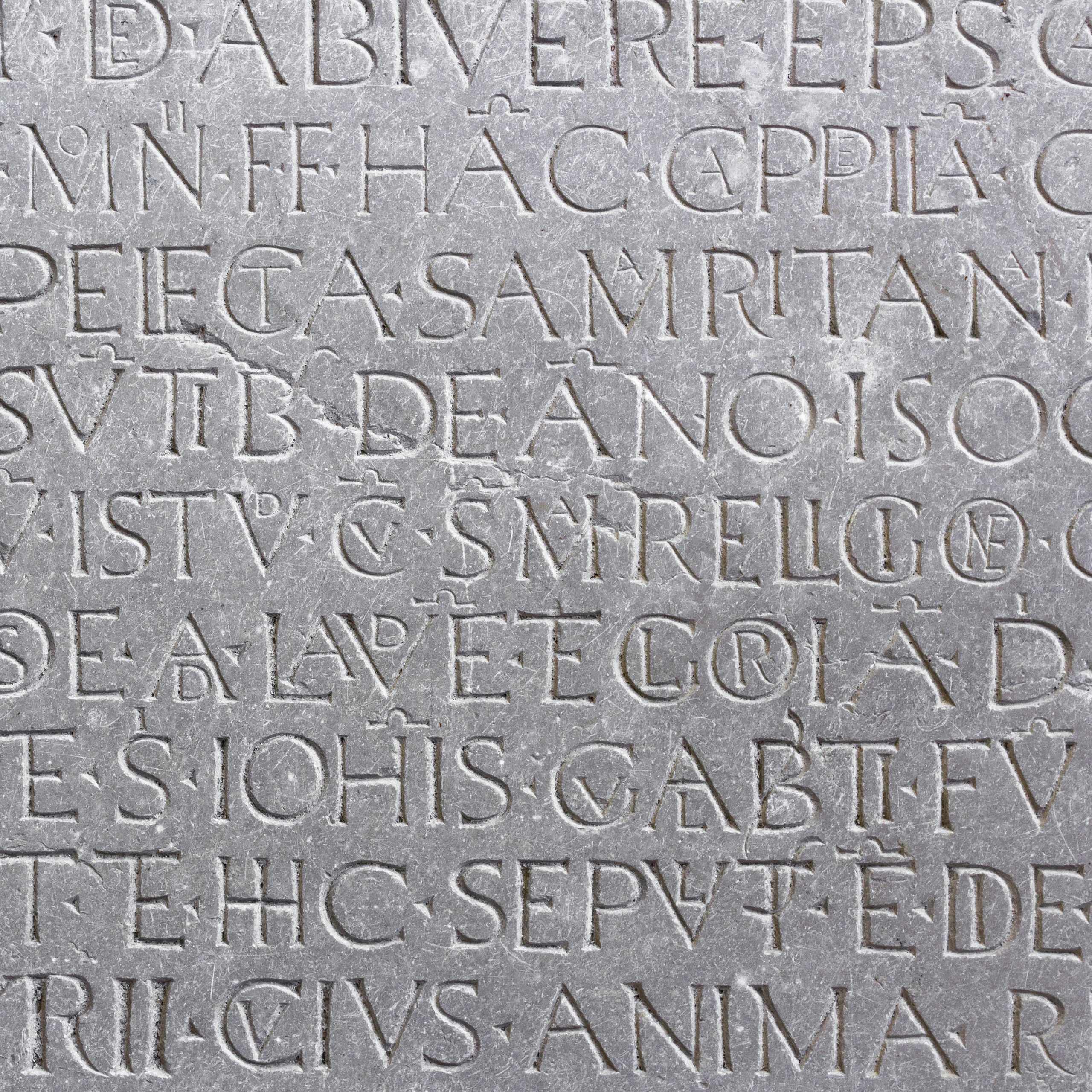
Repeated shapes, minims, long s, ligatures, and letter variants are compared until the document hand becomes easier to recognize.
ABBREVIATIONS
Contraction marks, superscripts, and shortened words are examined carefully, with uncertain expansions kept visibly separate from confirmed text.
TRANSCRIPTION
The manuscript image and written transcription stay aligned line by line, helping reveal skipped words, misplaced endings, and unsupported guesses.
Three Habits Behind Careful Reading
Instead of presenting a universal alphabet as the answer to every page, the course develops practical habits that can be applied to each unfamiliar scribal hand.

Build from Repeated
Forms

Separate Strokes from Meaning

Recheck Earlier
Readings
Continue with Practical Paleography Notes
Read focused articles about difficult letterforms, word boundaries, scribal abbreviations, image contrast, and the choices involved in diplomatic transcription.